On a mid-summer evening in 1967, a healthy, active 17-year-old girl named Joni dove off a cliff into too-shallow waters, instantly breaking her neck. She survived, but she would never again move her legs, or her hands. She would never bear children. She would spend her life in a wheelchair, dependent on others to fix her food, and dress her, and change her colostomy bag.
For the rest of her life.
At first, Joni struggled and raged. She was suicidal. And then, slowly, she found acceptance. She began writing, and recording music, and drawing paintings, using pens held in her mouth. She became an inspirational speaker, and started a foundation for disabled people that she runs, to this day.
 Most importantly, Joni found joy, and during the last forty years she has shared that joy with millions of people around the world. She insists that God is good, that life is good, no matter what. She says, “There are only two joys. One is having God answer all your prayers; the other is not receiving the answer to all your prayers. I believe this because I have found that God knows my needs infinitely better than I know them.”
I thought of Joni’s longsuffering recently while reading about another young woman who was struck down, this one by a strange, terminal disease that coiled throughout her body, causing her constant, intense pain. Sometimes the pain made her curl up and cry out when she was in the middle of conversations. For the last three years this woman, Sara Frankl, was confined to the four walls of her apartment, reaching out to others through a blog she kept.
Sometimes Sara could scarcely breathe. Sometimes she could hardly walk. But she radiated peace, and she shared joy with everyone she came in contact with.
She said, “I choose the joy. When something is going badly and I’m dwelling on it, I think instead of something for which I am grateful. I swear to you, it’s as simple as that. You just have to decide today, and again tomorrow. And before you know it, you’ll have an attitude of joy more than any other attitude you have at your disposal.”
Life slashes at everyone, sooner or later, as surely as the sunrise. But for most of us, times of great trouble are intersected by large swathes of ordinary life – times during which it’s all too easy to slide into dissatisfaction.
Life is unfair.
This is too hard.
I can’t believe he did that.
We slog through our days, feeling restless, burdened, impatient.
And then, occasionally, the road is illuminated, by one who is traveling the roughest patches of it. A fellow pilgrim stands in the midst of unspeakable circumstances, like a small candle glimmering in the middle of a hurricane, and speaks words of sweetness and life.
Reminding us.
Humbling us.
I cannot imagine being chained to a wheelchair, unable to run or roam or pace or escape. I can’t imagine being unable to care for myself, to fend for myself, to live for myself.
And I can’t imagine living with pervasive, unremitting pain. Pain that drives spikes through your wrists, and nails you to itself. Pain that has no end point and will accept no walking papers.
Sara and Joni. Two pilgrims enclosed in two very different prisons. One of whom could not set foot outside her apartment and one of whom can not set foot anywhere, at all. Two broken bodies encasing spirits that shine steadily in the darkest storm, casting beautiful light for the rest of us.
We who are so blessed.
We who can be so blind to our blessings.
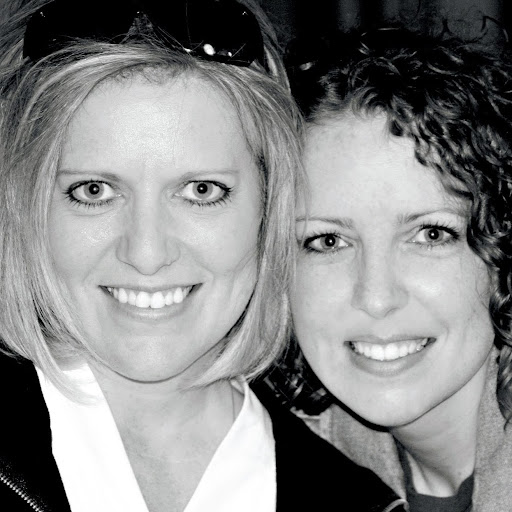 A couple of weeks ago, the on-line world learned that Sara was dying. And certain corners of the blogosphere were suddenly filled with Sara’s words, her story. Reams of virtual paper were devoted to her odyssey, as famous friends paid tribute to her and hundreds of readers, learning of her for the first time, were stunned by her transcendent message.
Sara passed through to Heaven on September 24, at thirty-eight years old. She may have ended this life as a housebound invalid, un-rich, un-glamorous. But her light shone brighter and brighter as the end neared, spreading until it could have filled a stadium, until this world could not even contain it – and on and on she went.
Google Sara Frankl, and see how many results you get. By the end, she was no longer a candle – she was a comet. And in her story, through her words and through her shining spirit, she left behind enough light for us all.
 Cathy LaGrow